
Kidderminster · DY10 · Worcestershire
Roof Soft Washing in Kidderminster
Looking for roof soft washing in Kidderminster? We clean roofs across Worcestershire, with a free survey and a fixed written quote before any work starts.
Guide price in Kidderminster: £380–£660 typical 3-bed semi
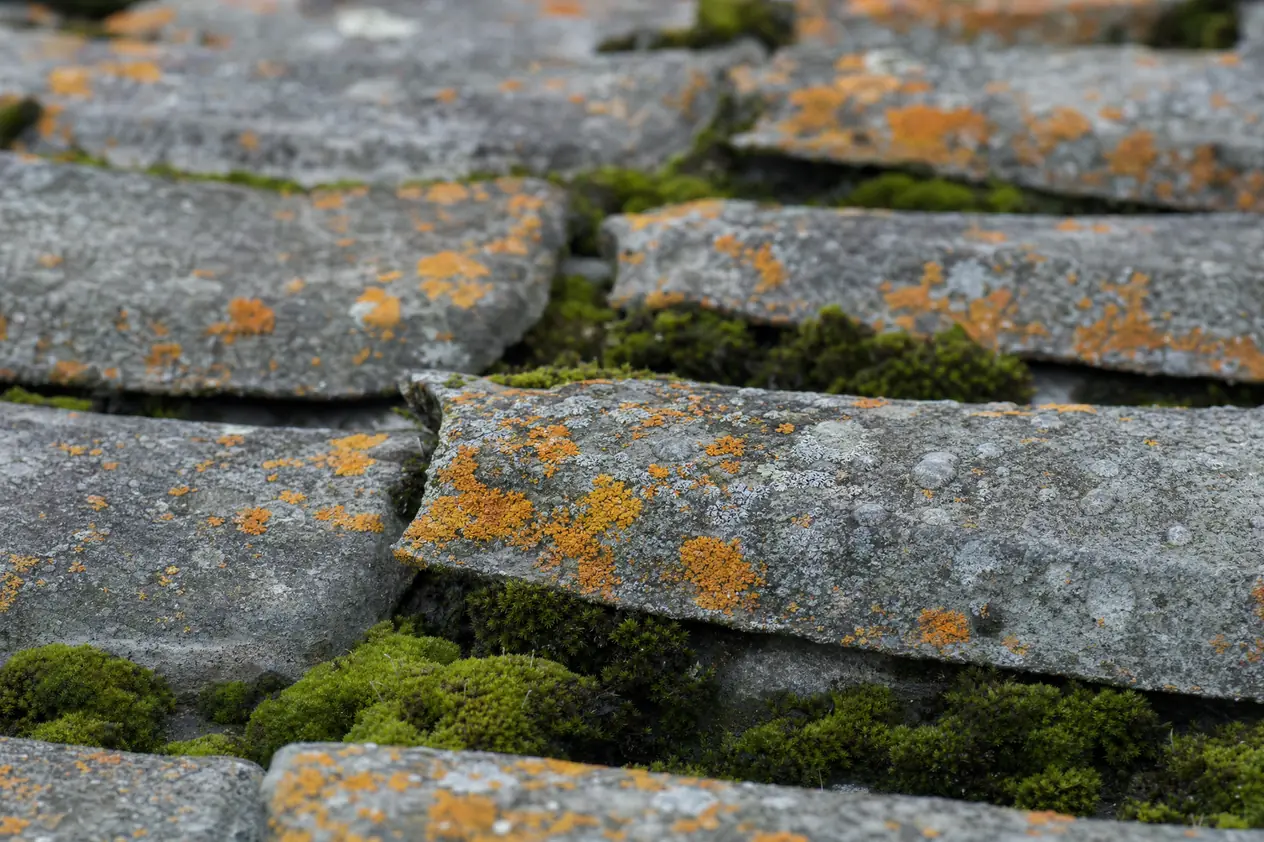
Roof conditions in Kidderminster
Worcestershire gets steady rainfall and plenty of mature trees across the suburbs. Around Kidderminster, that means moss builds fastest on shaded pitches, especially on inter-war semis in Marley and Redland concrete tile, Victorian terraces in Welsh slate and Staffordshire blue clay.
Signs your roof needs attention
- Moss coming back within a year of a previous clean
- Lichen spots that won't brush off
- Black algae streaks rather than thick moss
Included in your Kidderminster quote
- Dwell time to let the treatment work
- Surface moss removed by hand first
- Low-pressure application of biocide solution
- Gutters and downpipes checked and cleared
- Plants and paintwork protected
Book a free survey and we'll confirm a fixed price for your Kidderminster property in writing.
Request a survey in Kidderminster
We'll arrange a free survey at a time that suits you and confirm a fixed price for your DY10 property.
Nearby
Also in Kidderminster
Questions from Kidderminster customers
How much does roof soft washing cost in Kidderminster?
Guide prices for roof soft washing in Kidderminster are around £380–£660 for a typical 3-bed semi. The exact price depends on roof size, access and how much growth there is, and we confirm it in writing after a free survey.
Do I need scaffolding?
Many roofs can be reached safely with roof ladders and edge protection. Taller or steeper roofs may need a scaffold, which we'll include in the quote if needed.
Will you clear my gutters too?
Yes. Any moss that falls into the gutters during a roof clean is cleared as part of the job.
Is soft washing better than pressure washing?
For most UK roofs, yes. It doesn't strip the tile surface or force water under the laps, and it lasts longer because the treatment kills the growth at the root.